Micron just made a move that shook the PC world: the company is shutting down its entire Crucial consumer memory business, including the RAM kits and SSDs millions of people used in gaming rigs and office builds. This shift isn’t surprising once you look at what’s happening across the global memory market. AI demand is exploding, data centers are buying everything in sight, and the industry is changing faster than most people realize.
If you’ve ever used a Crucial MX500 SSD or a Crucial DDR5 kit, this decision hits close to home. But the reason behind Micron’s exit is pretty straightforward—the future isn’t in consumer memory anymore. It’s in AI chips, high-bandwidth memory (HBM), and enterprise-grade DRAM.
Micron Is Walking Away from Crucial — Here’s Why
For years, Crucial was one of the most trusted consumer brands. It delivered stable, affordable RAM and SSDs that worked for everyone from gamers to budget-conscious students. But the margins in consumer memory are tiny, and the competition is brutal. Meanwhile, AI-focused memory like HBM is booming, and the profit difference between selling a $60 RAM kit and selling $10,000 worth of AI memory is massive. So Micron looked at the numbers and made the call: exit the consumer market and double down on AI memory production.
If you want the official business reasoning, Reuters breaks it down well: “Micron exits Crucial to redirect manufacturing capacity into high-bandwidth memory and data center chips.” (Source: Reuters)
AI Demand Is Reshaping the Entire Memory Industry
The shift started when AI workloads exploded. Chips like Nvidia’s H100/H200 and AMD’s MI300 need huge stacks of HBM. One AI accelerator uses more memory than dozens of gaming PCs combined. Naturally, memory makers are chasing that demand. According to CNBC’s report, Micron simply can’t afford to keep using its wafer capacity on consumer products when AI customers are paying premium prices.
This puts consumers at the bottom of the priority list. Data-center DDR5, HBM, and enterprise SSDs come first. Gaming PCs, laptops, and home builds get whatever supply is left.
Table: What’s Driving Micron’s Shift Away from Consumer Memory?
| Factor | Consumer Memory (Old Focus) | AI & Enterprise Memory (New Focus) |
|---|---|---|
| Profit Margin | Low | Very High |
| Demand Trend | Stable / Declining | Exploding |
| Competition | Heavy | Limited |
| Capacity Use | Not profitable | Highly profitable |
| Product Type | DDR4, DDR5, SATA SSDs, NVMe SSDs | HBM, server DRAM, enterprise NAND |
| Buyers | Gamers, PC builders, general users | AI labs, cloud companies, data centers |
Memory Shortage Is Real — And It Will Last
The Verge highlighted another key point: the global memory shortage is only getting worse. Analysts expect DRAM and NAND supply to stay tight through 2028 because companies like Samsung and SK Hynix are prioritizing high-end enterprise memory. Consumer memory isn’t vanishing, but it will be smaller and pricier for years.
This is why you’re already seeing DDR5 prices creep up. SSDs that were cheap in 2023 are now rising again, especially high-capacity PCIe 4.0 and PCIe 5.0 models.
If you’re into hardware news, don’t miss our hands-on look at the Samsung Galaxy S25 Edge, one of the sleekest flagship designs of the year.
What This Means for PC Builders
If you build desktops or upgrade your system often, this decision affects you more than you think. Crucial was a major player that balanced the market. Removing a brand this big always shifts pricing, availability, and competition.
Fewer Budget Options
Crucial was the affordable option. With them gone, lower-cost alternatives shrink and prices will rise.
Higher DRAM Prices
Consumer DRAM now competes with enterprise demand. And enterprise always wins.
SSD Prices Stay Elevated
Crucial’s MX500, P3, and P5 lines kept SSD pricing stable. Without them, expect more volatility.
Limited Supply in 2025–2027
More of the industry is shifting toward AI and data-center chips. Consumers will feel the leftover effect.
New Brands Will Try to Fill the Gap
TeamGroup, Kingston, Adata, and Lexar may benefit short term, but trust takes time to build.
What Happens to Existing Crucial Products?
Crucial DDR4, DDR5, and SSDs will still be sold for a while because retailers have inventory. But Micron won’t restock or manufacture new consumer units. Once inventory dries up, Crucial memory will eventually disappear from mainstream shelves.
If you rely on Crucial’s MX500 SSDs or DDR5 kits for builds, now is a good time to stock up before prices react to shrinking supply.
AI hardware is evolving fast across the board. Google’s tiny but powerful Nano Banana Pro chip is another great example of how compact devices can push huge performance.
Should You Upgrade Now? Yes — Here’s Why
If you’re building or upgrading in 2025, waiting for “better prices” is risky. Prices aren’t going down anytime soon. AI demand is too strong, and companies are pouring billions into HBM fabs, like Micron’s planned $9.6B facility in Japan.
Here’s the smart move:
- Buy RAM now if you plan to upgrade soon
- Grab SSDs before stock tightens
- Expect fewer deals during major sales
- Watch for replacement brands stepping in
- Don’t expect “2019-level” prices ever again
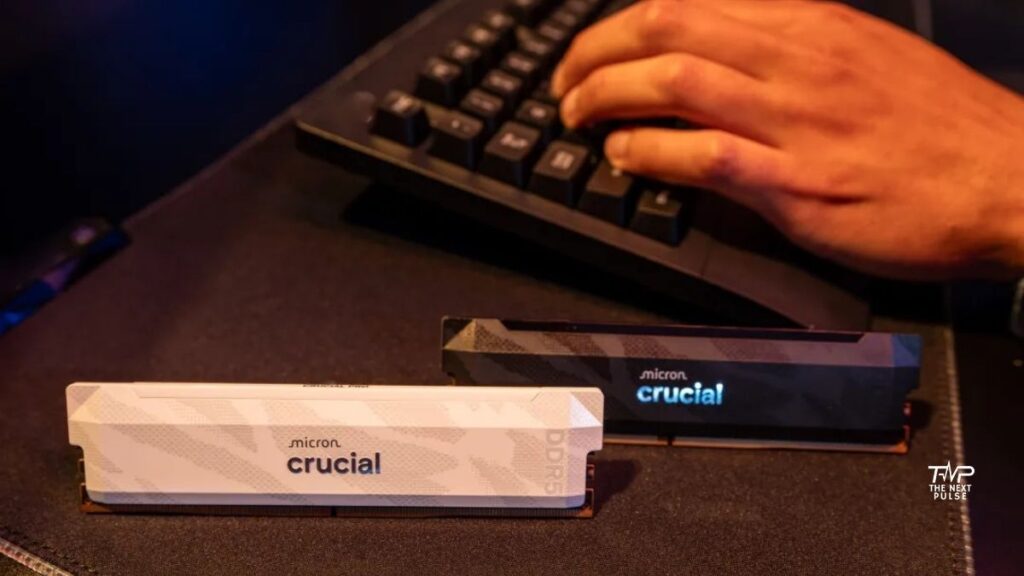
Micron Technology Is Killing Crucial RAM & SSDs
The Memory Industry Is Splitting Into Two Markets
We’re watching a structural split:
1. AI & Enterprise Memory (Priority Market)
HBM, enterprise DRAM, and advanced NAND dominate the future. This part of the market gets the supply, the innovation, and the profits.
2. Consumer Memory (Lower Priority)
DDR4, DDR5, and standard SSDs remain important but no longer lead the industry. They get leftover supply and slower innovation cycles.
Crucial’s exit is the clearest sign yet that consumer memory is becoming secondary.
What Comes Next?
Micron isn’t failing. They’re positioning themselves for the AI boom, and honestly, it’s a smart move. More companies may follow. The future will bring fewer consumer options, more enterprise focus, and higher prices across RAM and SSD lines.
But this isn’t the end of consumer memory. DDR5 and SSDs will stay available. Prices will simply adjust to the new reality: AI comes first.
If you’re a PC builder, builder, gamer, or someone planning upgrades, the best move is to prepare early. Because the AI-driven memory wave is only getting bigger, and companies like Micron are shifting their entire strategy to meet it.
What to Buy Now (Straightforward Buyer’s Guide)
If Micron is walking away from Crucial, and AI companies are consuming most of the memory supply, the best move is to prepare early. Here’s what’s worth buying right now before the market gets tighter:
1. DDR5 RAM (32GB or 64GB Kits)
Prices are rising and supply is shrinking. If you plan to upgrade anytime in 2025–2026, buy your RAM now. Good alternatives to Crucial include Kingston Fury, Corsair Vengeance, TeamGroup T-Force, and G.Skill Ripjaws/Viper.
2. PCIe 4.0 SSDs (1TB–4TB)
These drives are already creeping up in price. Look for Samsung 990 EVO, Kingston KC3000, WD Black SN770/SN850, or Sabrent Rocket. They are stable and still reasonably priced—at least for now.
3. PCIe 5.0 SSDs for Next-Gen Builds
If you’re building a new high-end system, pick a PCIe 5.0 drive while stock is good. Brands like Lexar, Corsair MP700, and Adata Legend are performing well.
4. DDR4 RAM for Older Systems
DDR4 is becoming a legacy product and will eventually get more expensive due to low production. If your system still uses DDR4, upgrade before prices spike.
5. Reliable External SSDs
Micron’s exit also affects portable storage indirectly. Grab a Samsung T9, SanDisk Extreme, or Kingston XS2000 if you need fast on-the-go storage.
6. NVMe Storage for Creators
Content creators should stock up on 2TB or 4TB NVMe drives now—video workflows hit storage harder than gaming. The shortage will affect this segment too.
7. Prebuilt PCs With Good Storage/RAM Deals
Some prebuilts still offer cheaper components because suppliers bought inventory before the shortage. These deals won’t last once Crucial stock disappears.